Mixing Up b and d? A 3-Week Plan to Help
The problem
A child writes "dog" as "bog". In reading group, "bad" comes out as "dab". You point to the letter and ask, "Which one is this?" and the child guesses, half the time right. You have shown the difference many times, and the next day it is mixed up again.
If this sounds familiar: b and d are among the letters children mix up most often in early reading and writing, and mixing them up is normal while children are learning.
Why it happens
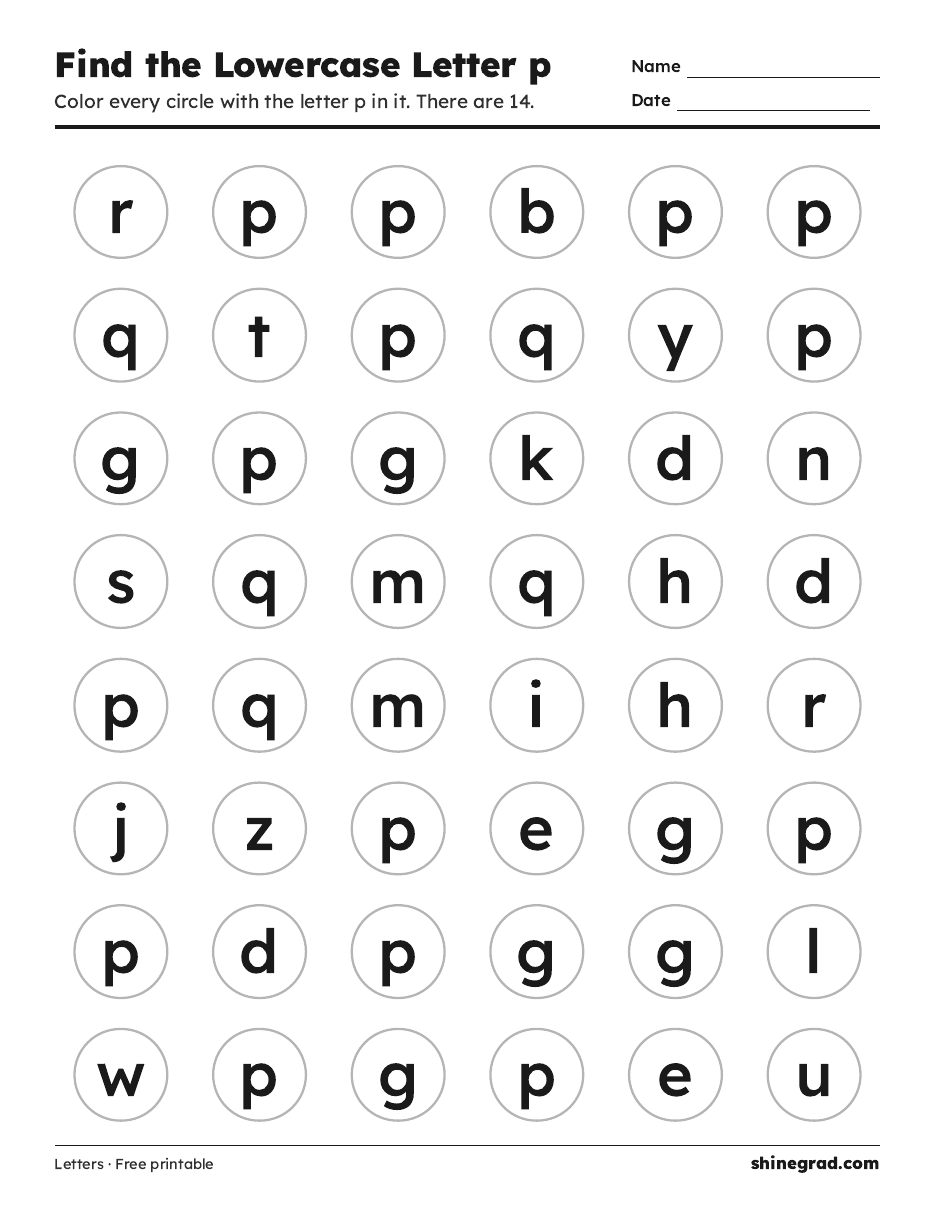
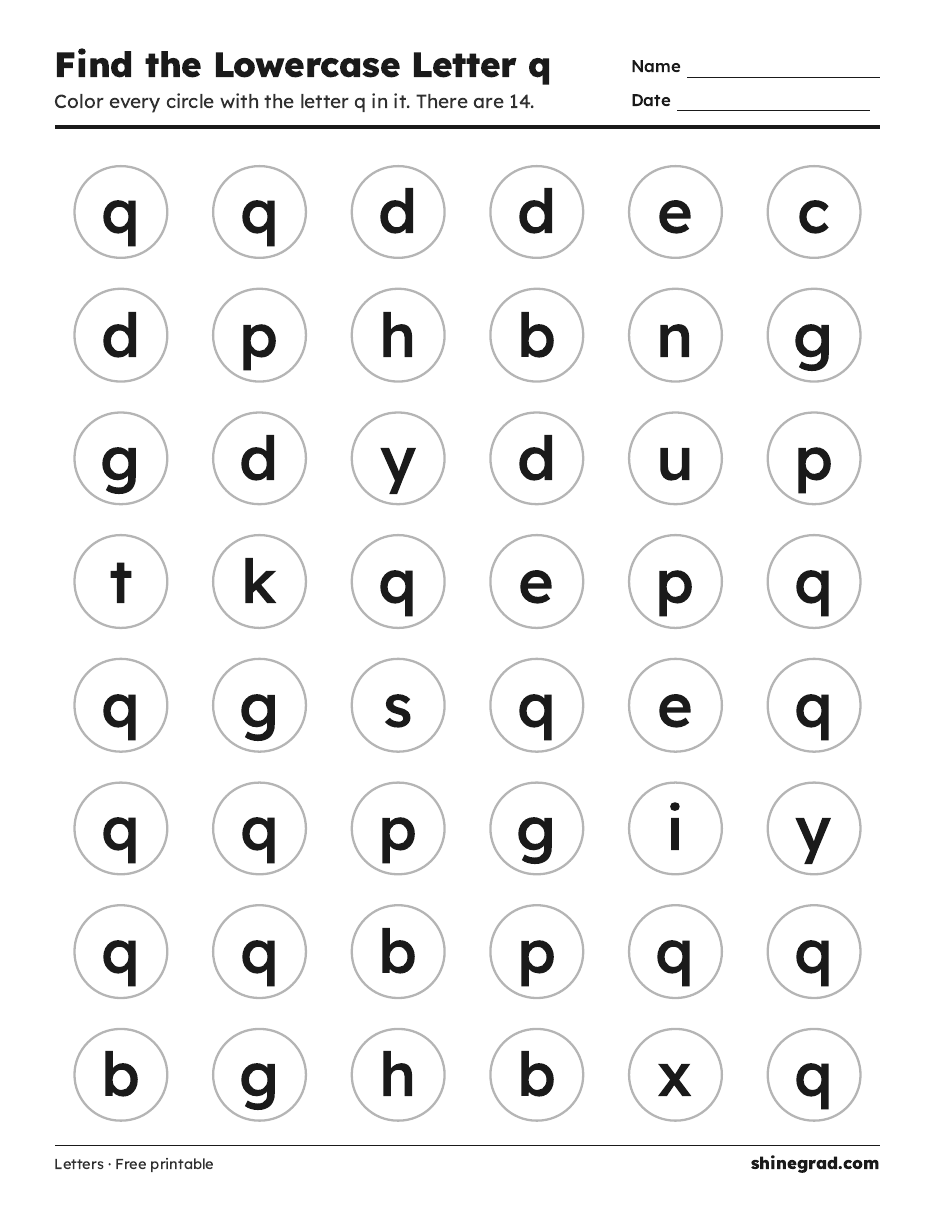
For almost everything else a child has learned, direction does not matter. A cup facing left is still a cup; a dog facing right is still a dog. Letters break that rule. b, d, p and q are the same shape, turned or flipped, and only their direction tells them apart.
Teaching b and d on the same day, side by side, can make the mix-up worse, because the child may learn them as one shape with two names. The fix is to give each letter its own movement, its own reminder, and its own week.
The plan: 10 minutes a day for 3 weeks
Each day: 2 minutes of air-writing (the child writes the letter in the air with a straight arm while saying the steps), 5 minutes on a worksheet, and 3 minutes reading or writing short words with the letter.
Week 1Only b
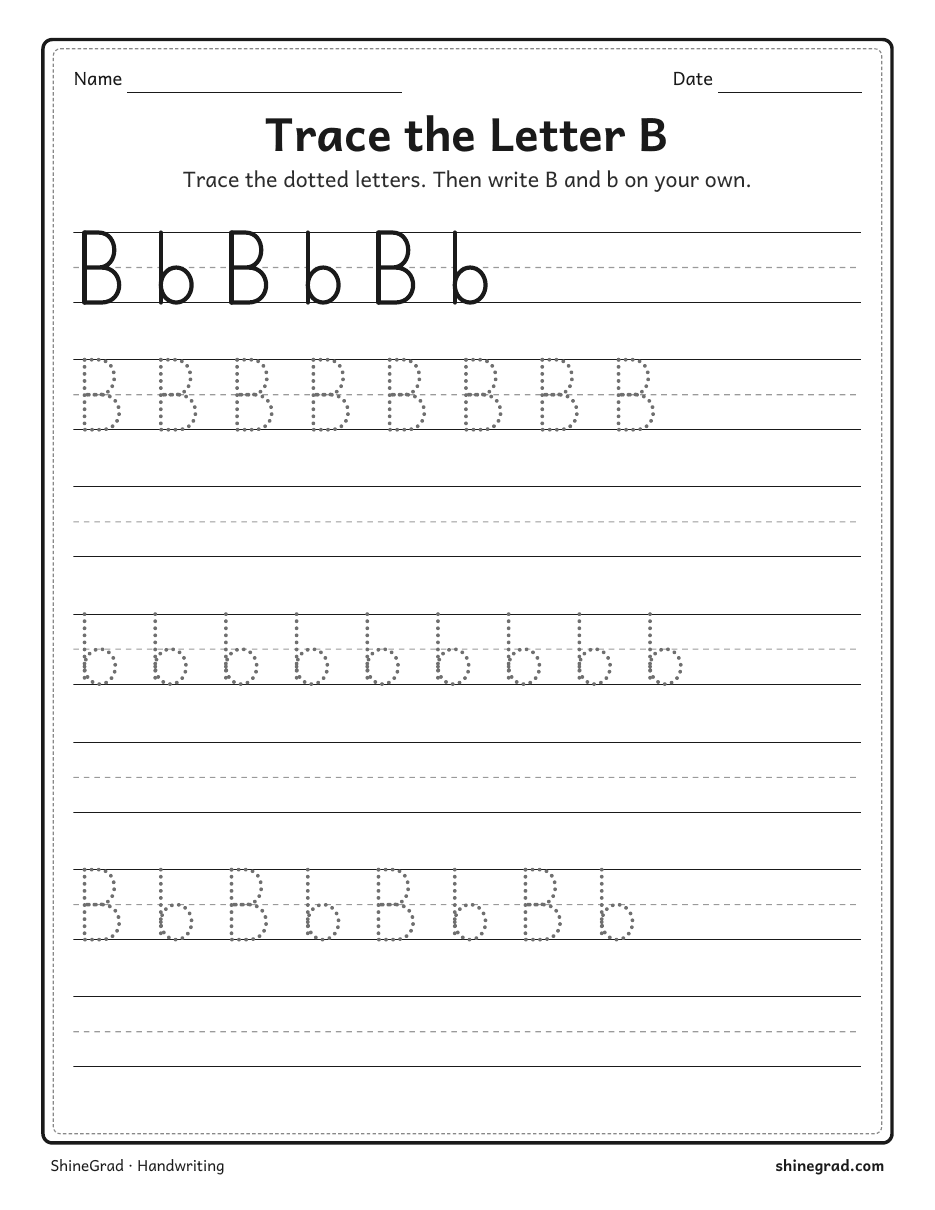
Teach b on its own. The words to say while writing are "down the line, then the bump". The line always comes first. Practice with words that start with b: bat, bus, bag, big, bug.
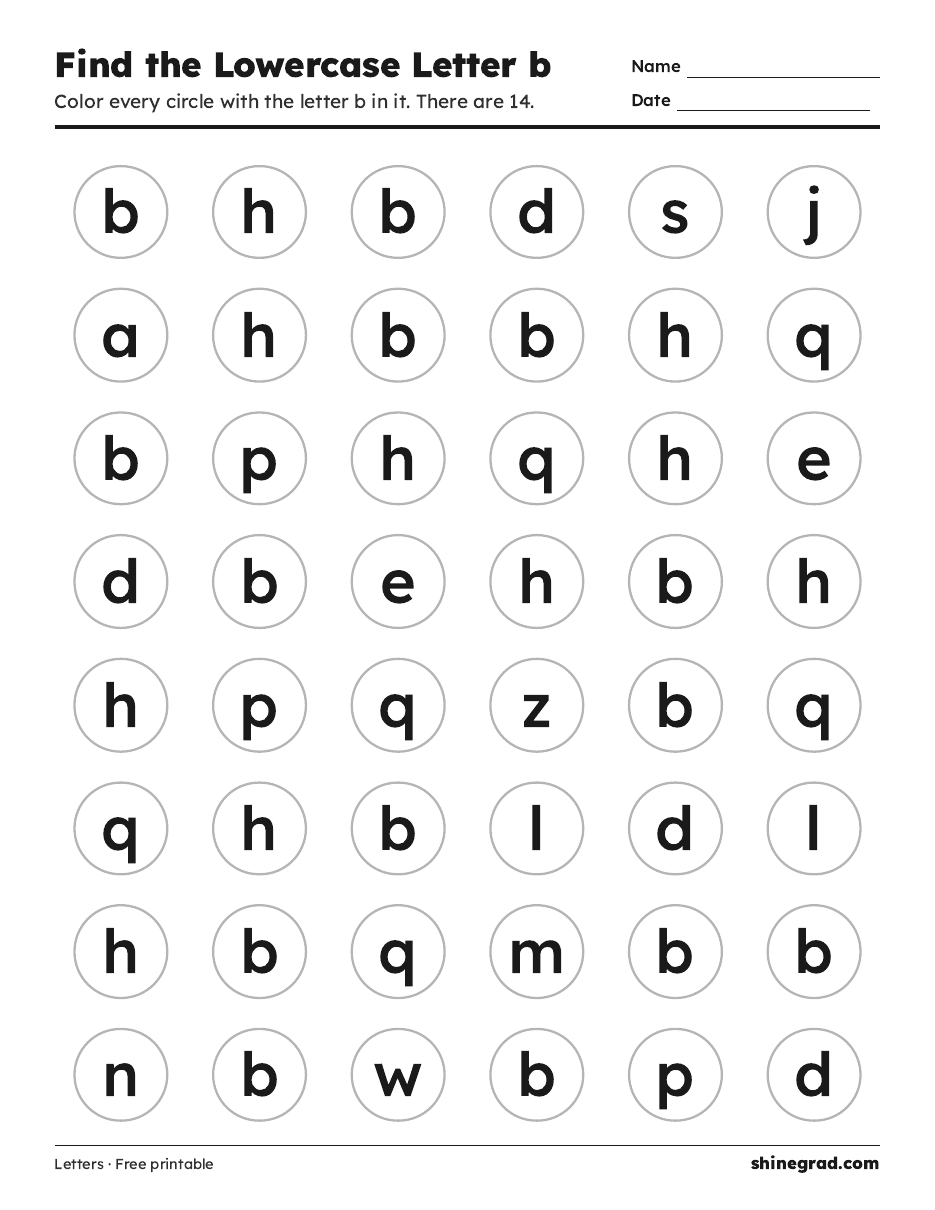
Use the tracing sheet (capital B and small b) for the first days, then the find-the-letter sheet. It mixes in d, p, q and h on purpose, so the child looks for a tall line with the bump on the right.
Week 2Only d
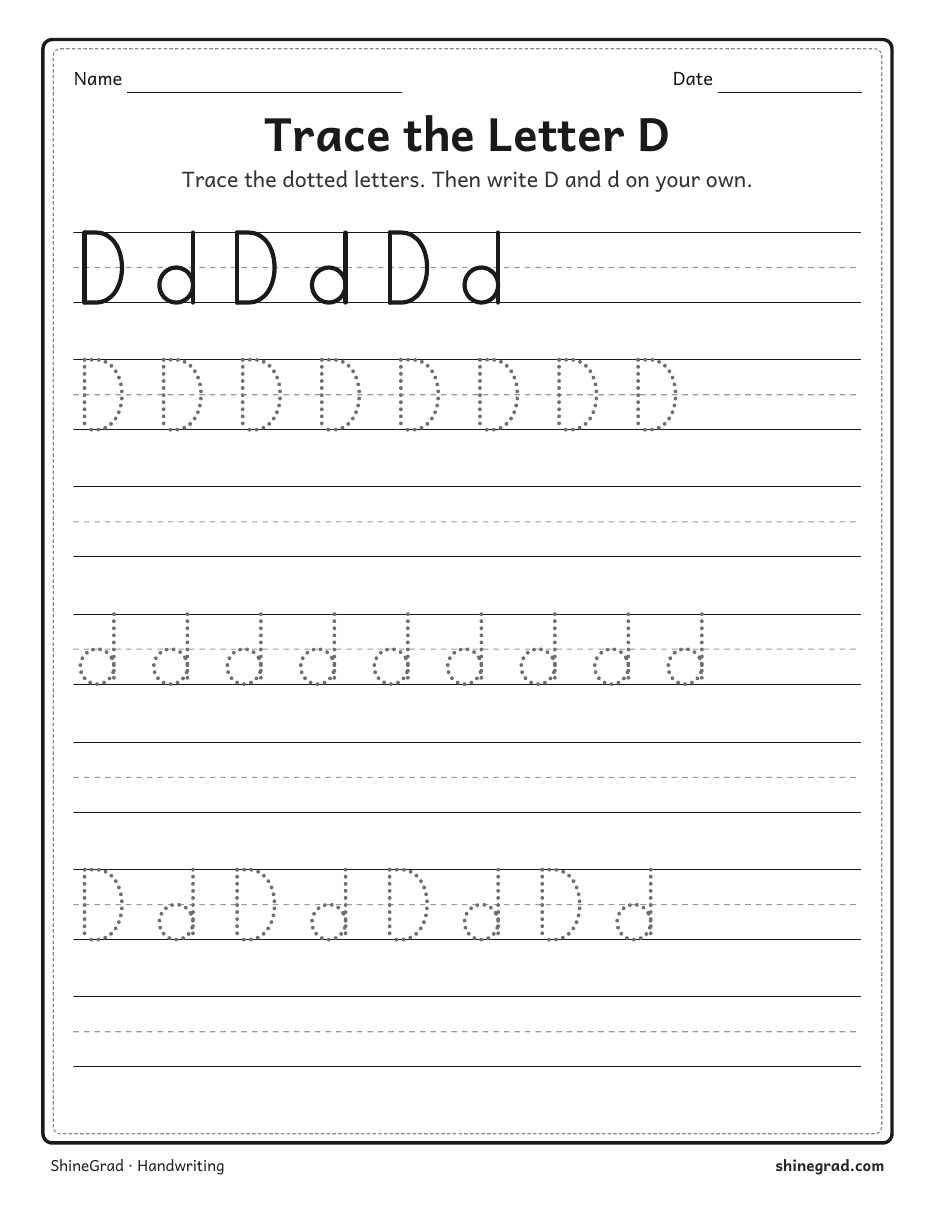
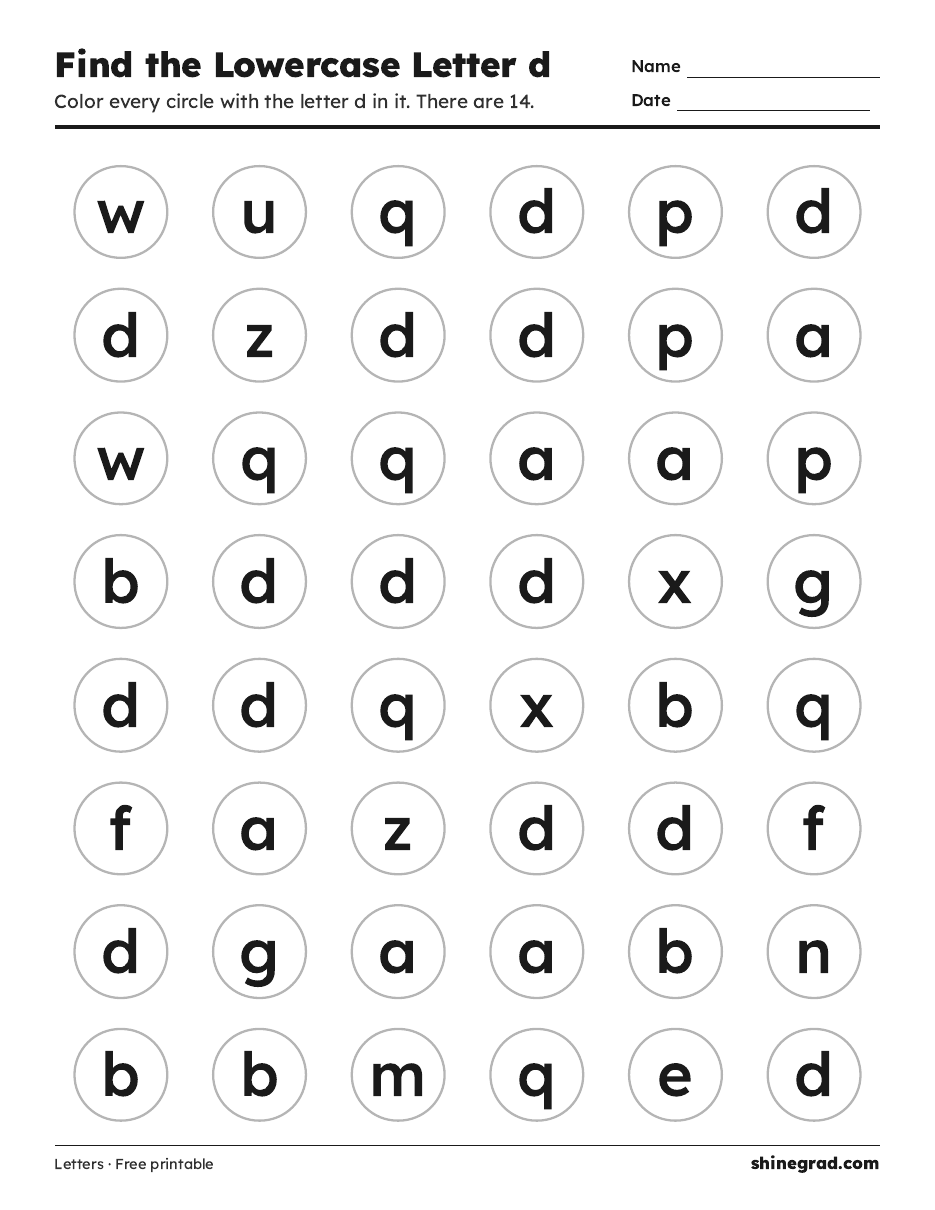
Now teach d as a different movement: "make a c, then the line". Because the hand starts in a different place, the two letters start to feel like different letters. Practice with words that start with d: dog, dad, dig, duck, desk.
Week 3b and d together, with the bed trick
Only now put the two letters side by side. Write the word "bed" and show that it looks like a bed: the b is the headboard on the left and the d is the footboard on the right. When a child is unsure, they write "bed" in the corner of the page and check.
Finish the week with the p and q pages, which use the same idea: look at where the bump is before naming the letter.
How to tell it is working
- The child starts b with the line and d with the c, without being reminded.
- The child checks with the bed trick instead of guessing.
- Find-the-letter pages come back with fewer wrong letters colored (check with the answer key on page 2).
- Reading errors such as "dab" for "bad" happen less often, and the child corrects them alone.
Mistakes to avoid
- Teaching both letters on the same day. Give b a full week before d arrives.
- Correcting every reversal in free writing. Pick one moment a day to practice; constant correction makes writing stressful.
- Switching between reminders. Pick one reminder, such as the bed, and use it every time.
Questions parents and teachers ask
Is mixing up b and d a sign of dyslexia?
Not on its own. Reversals are common in young children learning to read and write. If your child also has trouble linking letters to sounds, rhyming, or remembering letter names, talk to the teacher or a reading specialist. Do not wait for a certain grade. Reversals that continue past second grade are also worth mentioning.
At what age should b and d reversals stop?
Most children sort them out during first and second grade, as they read more and their handwriting becomes automatic. Practice with a clear starting stroke for each letter can help.
Should I teach capital letters first?
Children usually learn capital letters first, and capital B and D are rarely confused. Most letters in books are lowercase, so b and d need their own practice once reading begins.